Εμφάνιση αναρτήσεων με ετικέτα Ρωσία. Εμφάνιση όλων των αναρτήσεων

Δευτέρα 2 Απριλίου 2012

Κίνδυνος σύρραξης Spetznatz και δυτικών ειδικών δυνάμεων στη Συρία

H πρώτη εμπλοκή χερσαίων ρωσικών στρατιωτικών δυνάμεων εκτός των συνόρων της Ρωσίας μετά τον πόλεμο του 2008 στην Γεωργία είναι γεγονός και σίγουρα διαφέρει σε πολλά από εκείνη την σύγκρουση, αφού ο πόλεμος στη Συρία είναι τελείως διαφορετικός:

Περίπου 150 (κατ’άλλες πηγές, διπλάσιοι) άνδρες των ρωσικών ειδικών δυνάμεων, πεζοναύτες και Spetznatz, βρίσκονται στο συριακό έδαφος, όπως βεβαιώνουν πηγές από την Μόσχα και έχουν αναπτυχθεί τόσο γύρω από τις πυροβολαρχίες των αντιαεροπορικών συστημάτων S-300 και των βλημάτων εδάφους-επιφανείας Yakhont που ελέγχονται από Ρώσους «συμβούλους», όσο και στο προεδρικό μέγαρο ως προστασία του προέδρου Άσαντ!

Η απόφαση της Μόσχας να εμπλέξει χερσαίες δυνάμεις έρχεται ως απάντηση στην εμπλοκή χερσαίων ειδικών δυνάμεων τόσο των Γάλλων της Λεγεώνας των Ξένων, οι οποίοι ακόμα κρατούνται, όσο και των Βρετανών SAS, οι οποίοι φημολογείται ότι έχουν αναπτυχθεί στο έδαφος της Συρίας, εξορμώντας από την Ιορδανία και επιχειρώντας στο πλευρό των αντικαθεστωτικών.

Η Ρωσία με την κίνηση αυτή στέλνει και ένα μήνυμα στη Δύση ότι δεν πρόκειται να επιτρέψει να γίνει στη Συρία αυτό που έγινε στη Λιβύη, καθώς ενώ στη Λιβύη έχασε κάποια καλά συμβόλαια όπλων και πετρελαίων, εδώ το παιχνίδι είναι πολύ ευρύτερο: Αν χαθεί η Συρία χάνεται και η μοναδική σταθερή ναυτική βάση της Ρωσίας στην Μεσόγειο.

Όπως αποκάλυψε  το defencenet.gr, η ρωσική δύναμη που αποβιβάστηκε προέρχεται από το 431 Τάγμα της δύναμης VMF. Πρόκειται για μονάδα Spetznatz, που διακρίνεται τόσο για την υψηλή επιχειρησιακή τους κατάρτιση όσο και για την σκληρότητα που τους διακρίνει.

Η συγκεκριμένη μονάδα έχει διακριθεί σε διάφορες συγκρούσεις τόσο στην Τσετσενία, όσο και στο Νταγκεστάν και έχει ένα χαρακτηριστικό: Δεν παίρνει αιχμαλώτουςΑδιάψευστος μάρτυρας, το ιδιαίτερης σκληρότητας περιεχομένου βίντεο που δημοσιεύουμε από τις επιχειρήσεις της στο Νταγκεστάν. Μάλιστα, μεταφέρθηκαν και με πλήρη εξοπλισμό για ΠΒΧ (πυρηνικές, βιολογικές, χημικές) επιχειρήσεις που δείχνει ότι είναι "έτοιμοι για όλα".

Από εκεί και πέρα οι ΗΠΑ φαίνεται ότι έχουν αντιληφθεί πως η σύγκρουση στη Συρία θα μπορούσε να προκαλέσει μέχρι και Γ’Π.Π. και για το λόγο αυτό δείχνουν να αναδιπλώνονται προσωρινά, ενώ αμερικανικά think tanks, τώρα προετοιμάζουν την κοινή γνώμη για την εξέλιξη δηλώνοντας ότι «Μια στρατιωτική επέμβαση των ΗΠΑ στη Συρία θα κόστιζε $200 έως $300 δις. το χρόνο και θα απαιτούσε στρατεύματα 300.000 ανδρών»!

Αυτή είναι η εκτίμηση του Brookings Institution, το οποίο εξέδωσε μια μελέτη σχετικά με το κόστος μιας στρατιωτικής επιχείρησης των αμερικανικών ενόπλων δυνάμεων κατά της Συρίας


Τμήμα ειδήσεων defencenet.gr


Κυριακή 25 Μαρτίου 2012

Russian special forces arrive in Syrian port


Russian special forces have arrived in the Syrian Mediterranean port city of Tartus, opposition sources told Al Arabiya last Monday.

Israeli-based open source military intelligence website DEBKAfile has also reported that two Russian naval vessels have anchored at the Syrian port of Tartus.

The website cited reports from the Russian Black Sea headquarters at Sevastopol. The mission of the vessels was not disclosed, but one was reported to be carrying a unit of “anit-terrorist marines” and the other, a military tanker which joined “a Russian naval reconnaissance and surveillance ship already tied up in Tartus.”
The Syrian port of Tartus is now the only naval base Russia has outside the former Soviet Union. A Russian navy squadron made a call there in January in what was seen by many as a show of support for Assad.


Also in January, a Russian ship allegedly carrying tons of munitions made a dash for Syria after telling officials in EU member Cyprus, where it had made an unexpected stop, that it was heading for Turkey. Turkish officials said the ship had instead charted course for Tartus.

Russian Deputy Defense Minister Anatoly previously said that Russian military and technical personnel were present Syrian and said his country will abide by existing contracts to deliver weapons to Syria despite Assad’s yearlong crackdown on the opposition.

Antonov said Russia’s supply of weapons to Syria is in line with international law and will continue. “Russian-Syrian military cooperation is perfectly legitimate,” he said.

“The only thing that worries us today is the security of our citizens,” Antonov said in a reference to Russian military personnel in Syria that are training the Syrians in the use of weapons supplied by Russia.

He declined to say how many of them are currently stationed in Syria.

“It’s part of our contractual obligations,” said Antonov, who oversees military technical cooperation with foreign countries. “When we supply weapons, we have to provide training.”

Antonov dismissed previous allegations that Russia has sent special forces officers to assist government forces. “There are no (Russian) special forces with rifles and grenade launchers running around,” he said.

Support for daily ceasefires


Russia’s foreign minister, meanwhile, voiced clear support for a plan for daily humanitarian ceasefires in Syria and promised Moscow would press President Bashar al-Assad’s government to accept it, the head of the International Committee of the Red Cross said on Monday.

Russian Foreign Minister Sergei Lavrov "clearly agreed to and was supportive of" the idea of a daily two-hour cessation of hostilities to allow for life-saving aid operations, ICRC President Jakob Kellenberger told Reuters after talks with Lavrov.

Asked whether Lavrov had promised that Russia would pressure Syria’s government to accept the plan, he said: "Yes, very much so."
Russia has shielded Syria, its last ally in the Arab world, from U.N. sanctions over the Assad regime’s bloody suppression of an uprising against his government.

Moscow has been a steadfast ally of Syria since Soviet times, when it was led by the current president’s father, Hafez Assad, and has long supplied Damascus with aircraft, missiles, tanks and other heavy weapons
 

Δευτέρα 16 Ιανουαρίου 2012

Spetsnaz


Παρακαλούμε κάντε κλικ στον ακόλουθο σύνδεσμο για να κατεβάσετε το άρθρο Spetsnaz: Μύθος, Σύγχυση, και Πραγματικότητα. Παρελθόν, παρόν και μέλλον των δυνάμεων ειδικών καθηκόντων της ΕΣΣΔ/ Ρωσίας σε μορφή PDF . 


Σύνδεσμος: http://www.apollo-ccrd.gr/files/pdf/spetsnaz.pdf


Πηγή

Τρίτη 1 Νοεμβρίου 2011

A day with the Russian 16th Special Forces Brigade


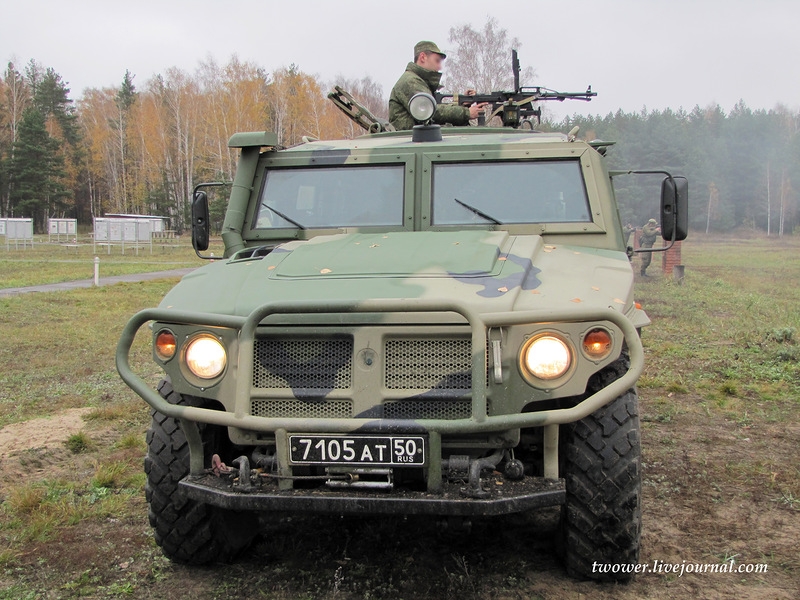
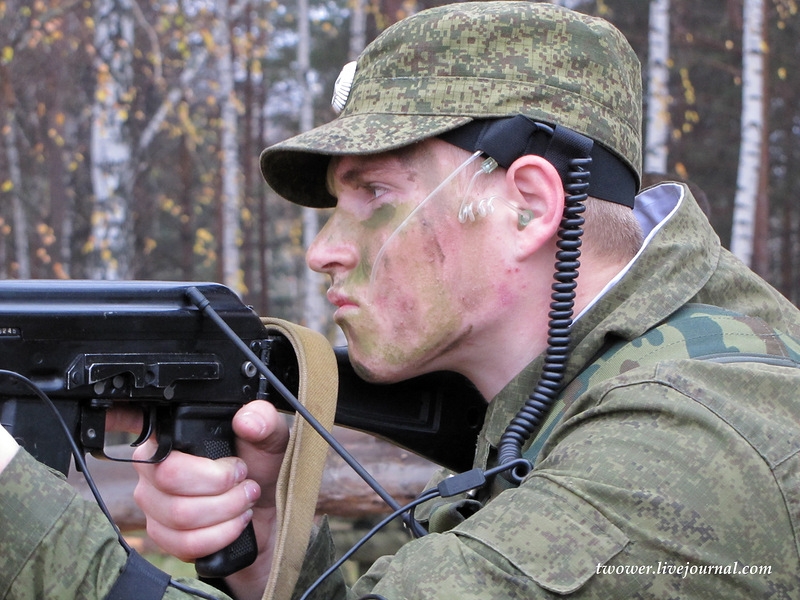
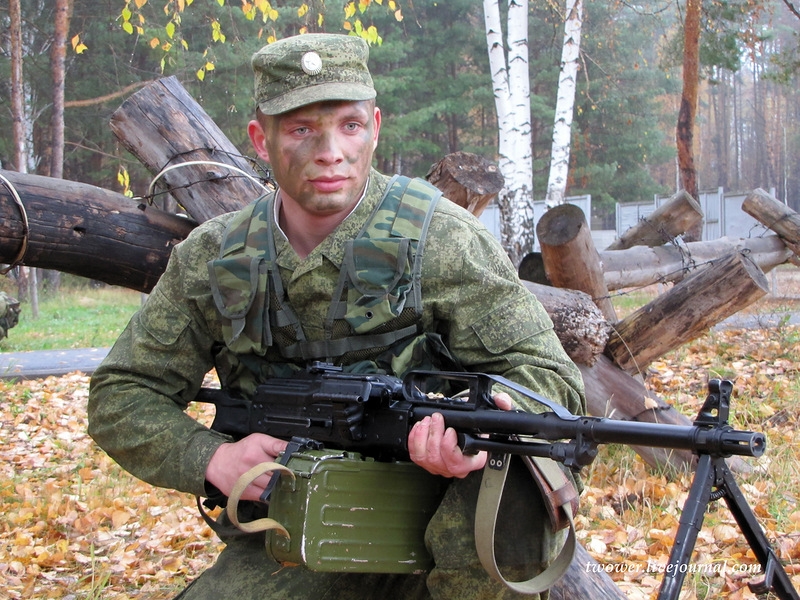
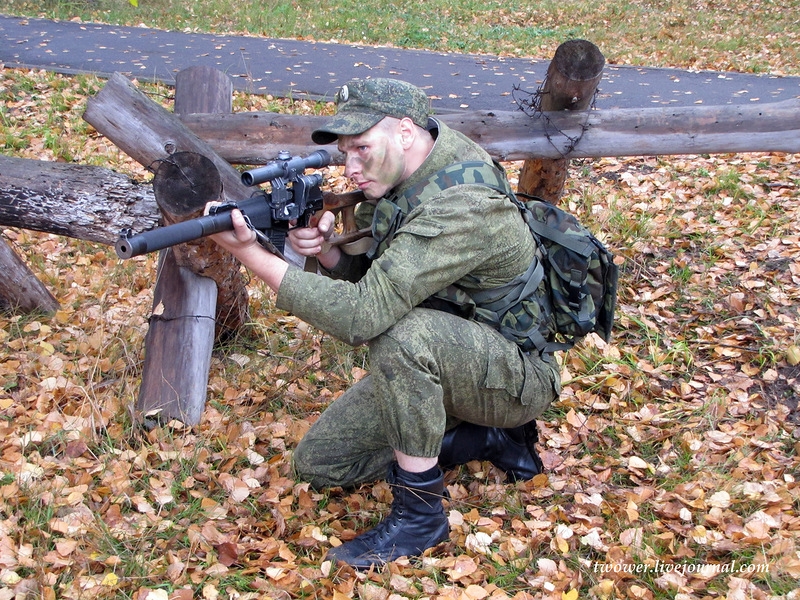
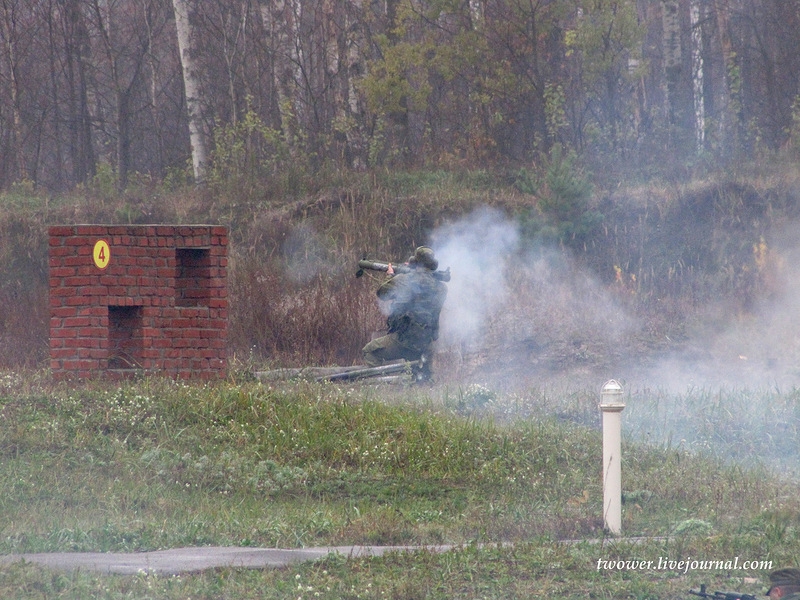
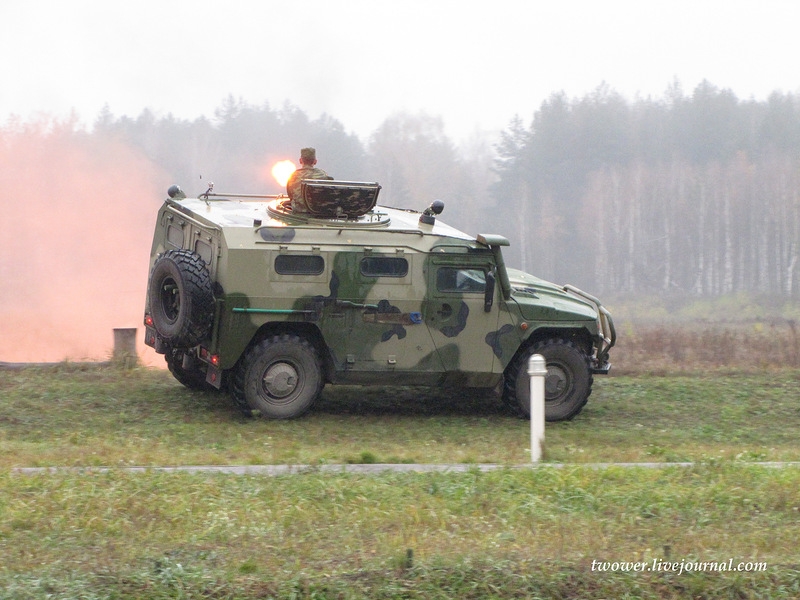
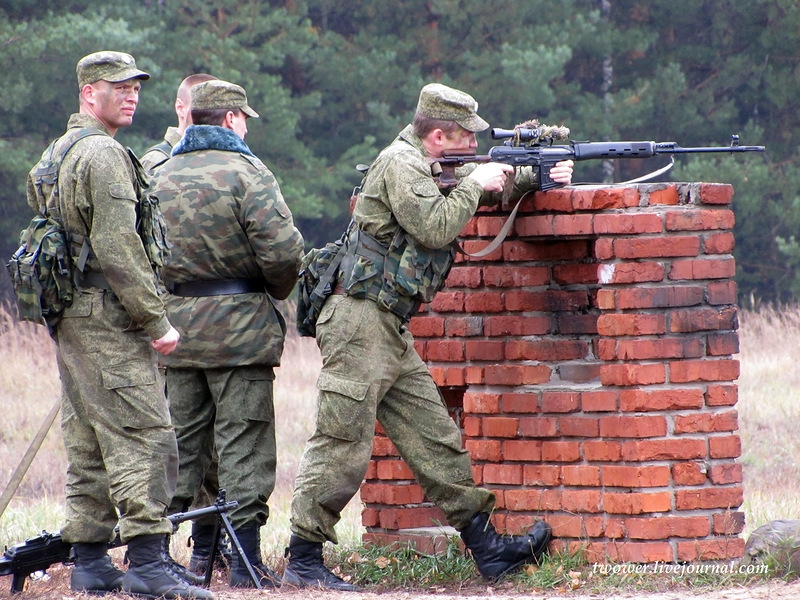
Let’s visit the 16th special forces brigade. Get to know the army life. Have you ever been to the firing ground? We offer you to see how the soldiers of the 16th special forces brigade do their business. Specially for this day, officers arranged a demonstration available to everyone.


The brigade was formed on January 2, 1963 and on April 29, 1969 it was given the Military Banner.


March, 1985 – August, 1988 – a detachment was carrying out missions in Afghanistan.
28.09 – 30.11.1992 – 2 deteachments were sent to Tajikistan.


13.01 – 02.05.1995 – special missions in Chechnya.


14.08.1999 – September, 2006 – an independent detachment took part in counter-terrorist operation on the territory of Ciscaucasia. 4 officers were bestowed a title of Hero of Russia.


October, 2001 – May, 2002 – peacekeeping operations in Kosovo.


In 2003 the brigade was dislocated from Chychkovo (Ryazan region) to Tambov.In 2005 and 2006 military delegations from Belarus, Vietnam and Jordan visited the brigade. The brigade also took part in tactical exercises in Jordan.August, 2008 – October, 2009 – peacekeeping operations in Georgia and North Abkhazia.149 soldiers of the brigade were killed in all including 49 in Afghanistan, 50 in the 1st Chechen war and 52 in the 2nd Chechen war.


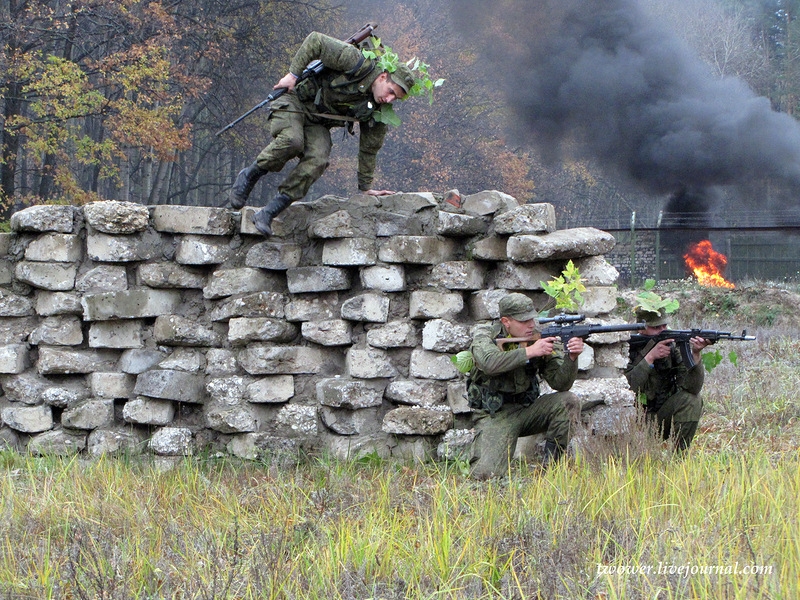
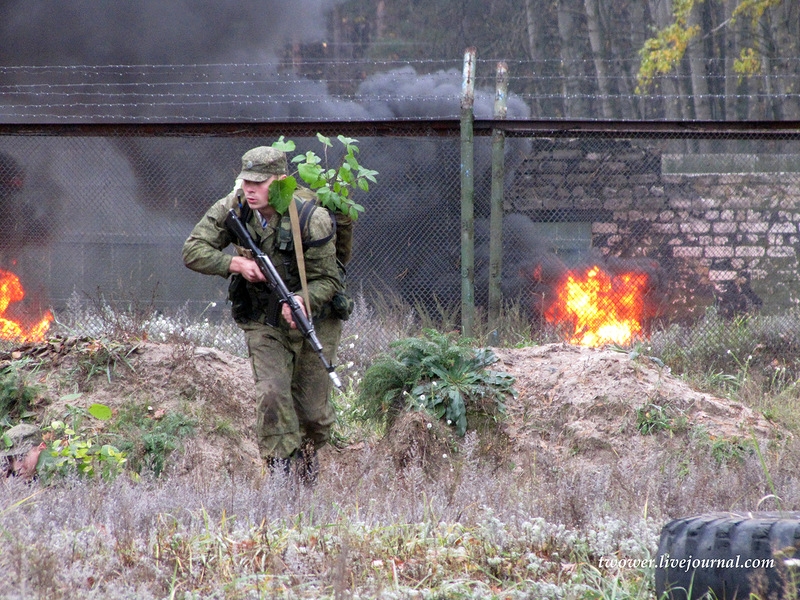
We could observe a demonstration of the battle consisting of several stages – moving-out, detection, destruction of the enemy and falling back under the lee of friendly fire.


The battle took place at the firing ground Trigulyay. The soldiers used live ammunition so we couldn’t take pictures too close.


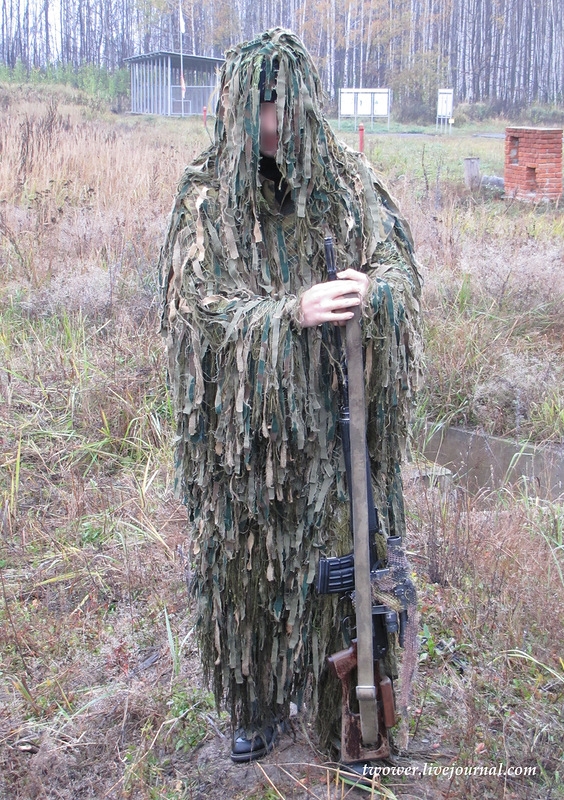
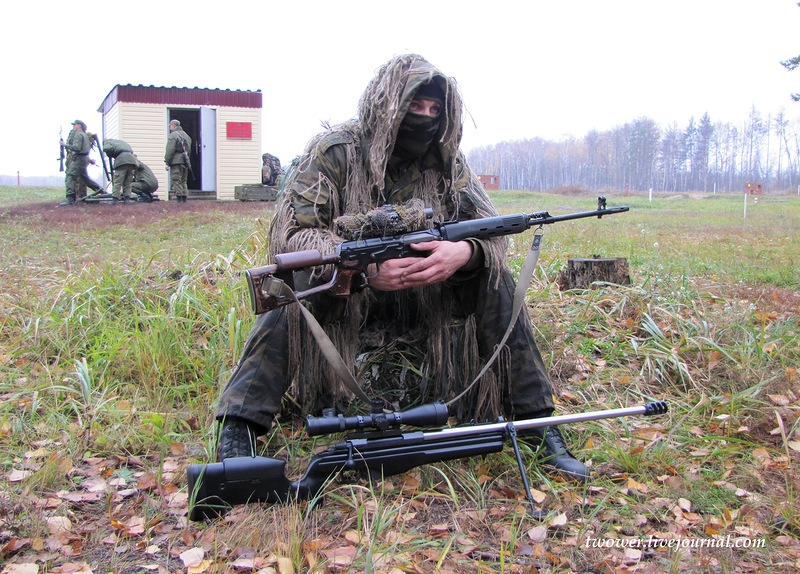
All the snipers hold contracts. They earn 30 000 rubles (1000 USD) per month.


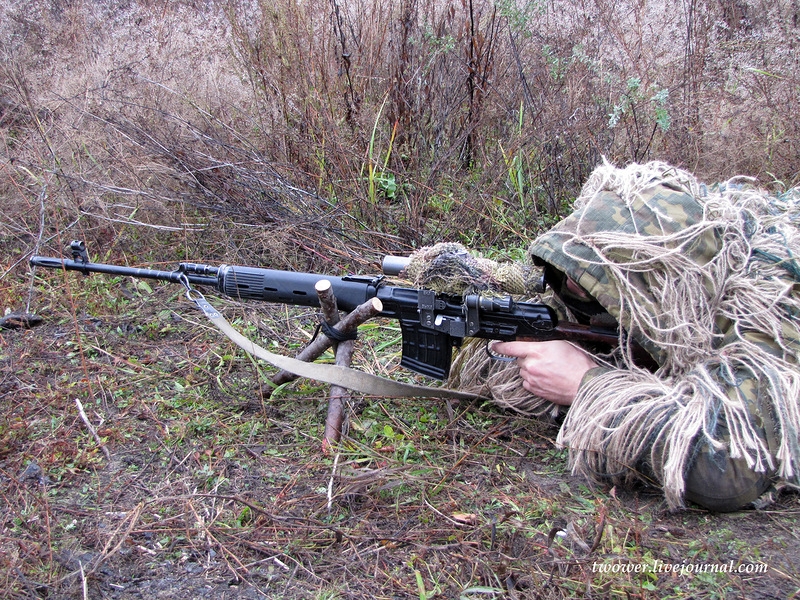
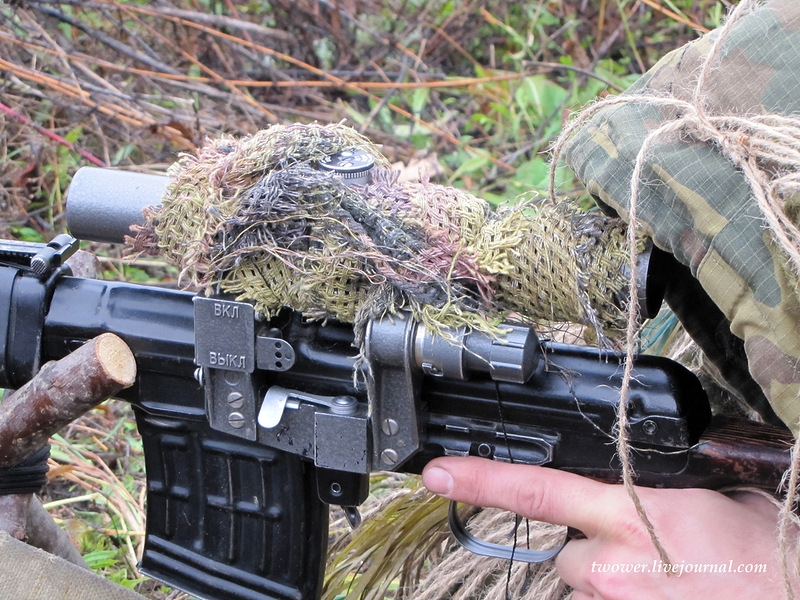
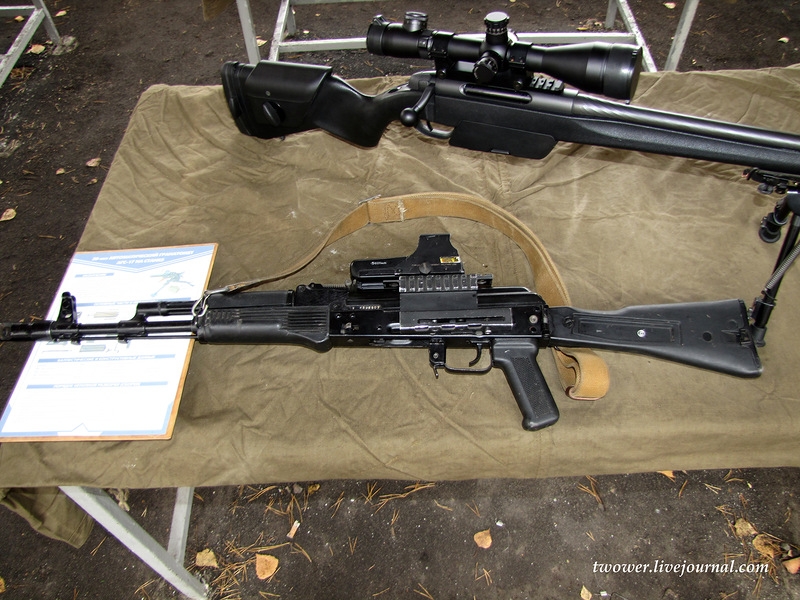
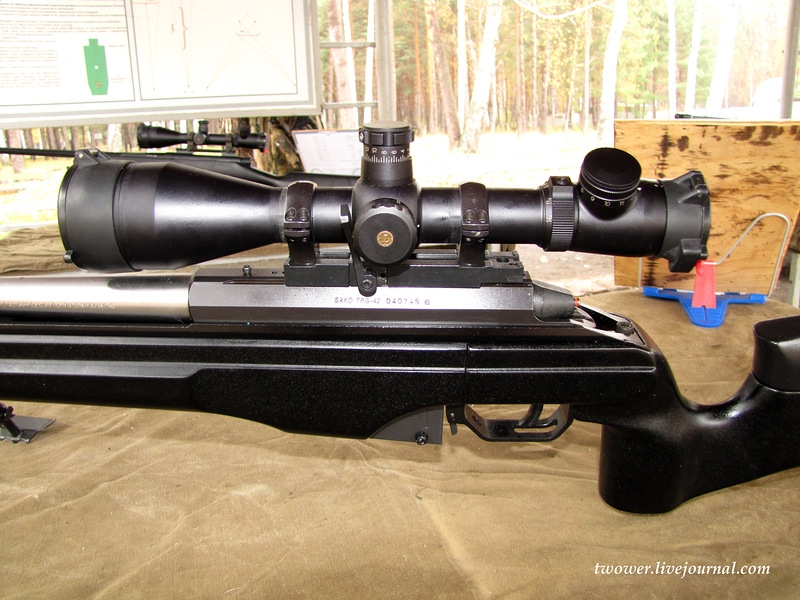
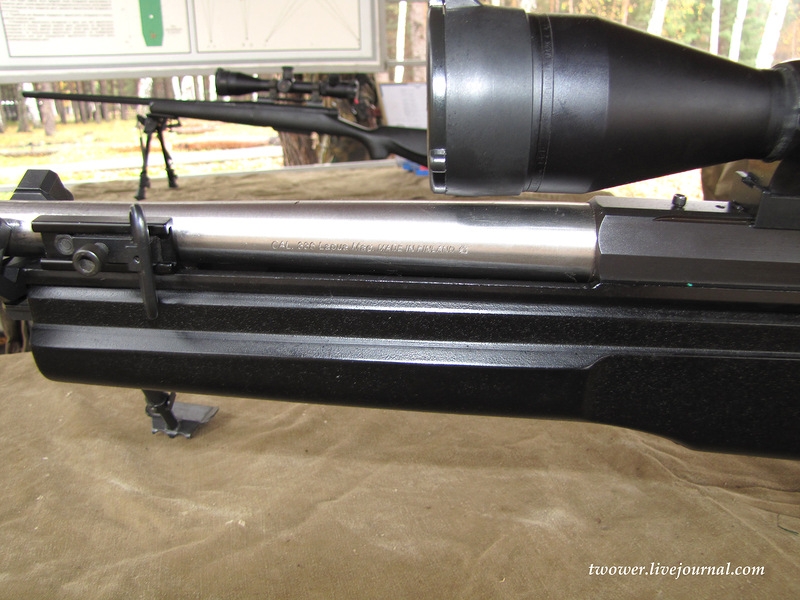
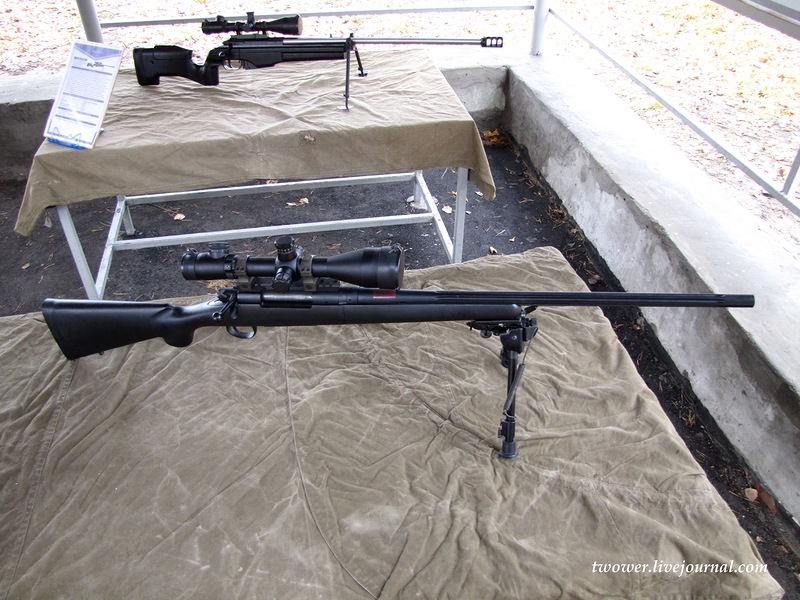
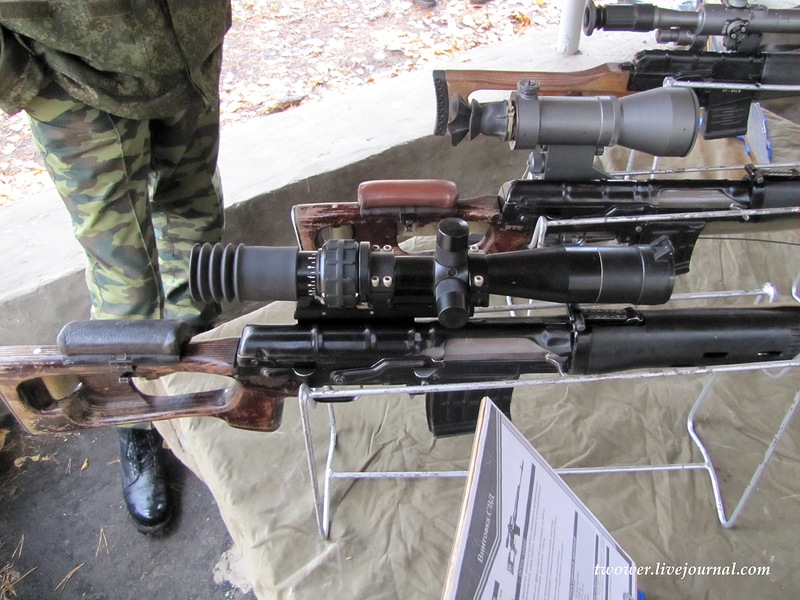
Usually they use Dragunov sniper rifle. Reconnaissance snipers are given VSS Vintorez. And the best of the best snipers use foreign rifles


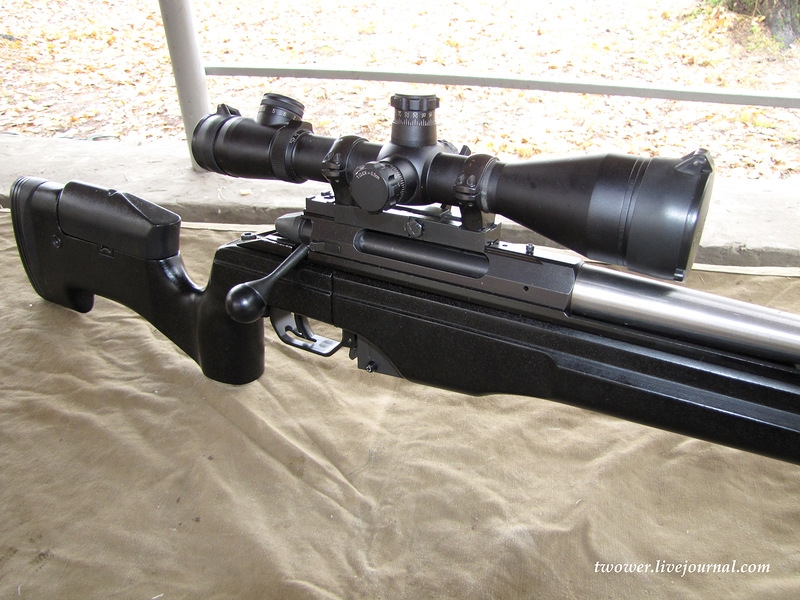
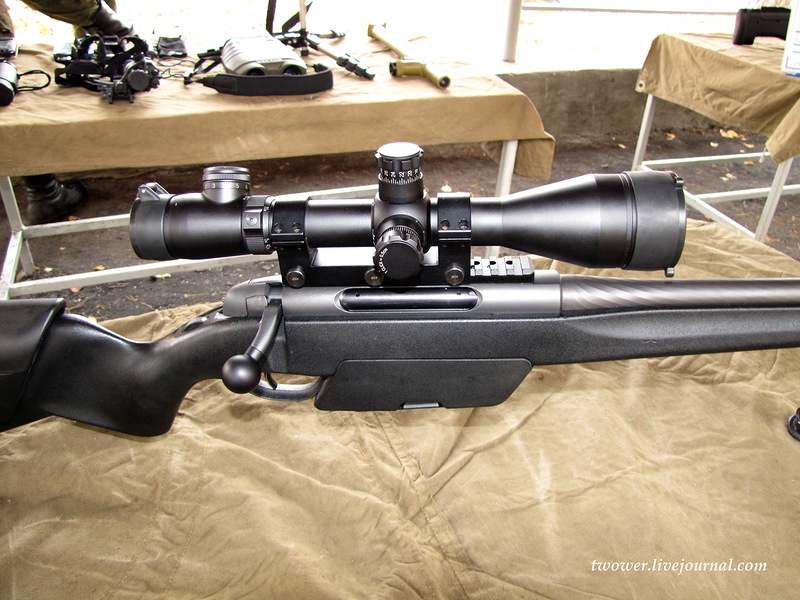
Sako TRG-42


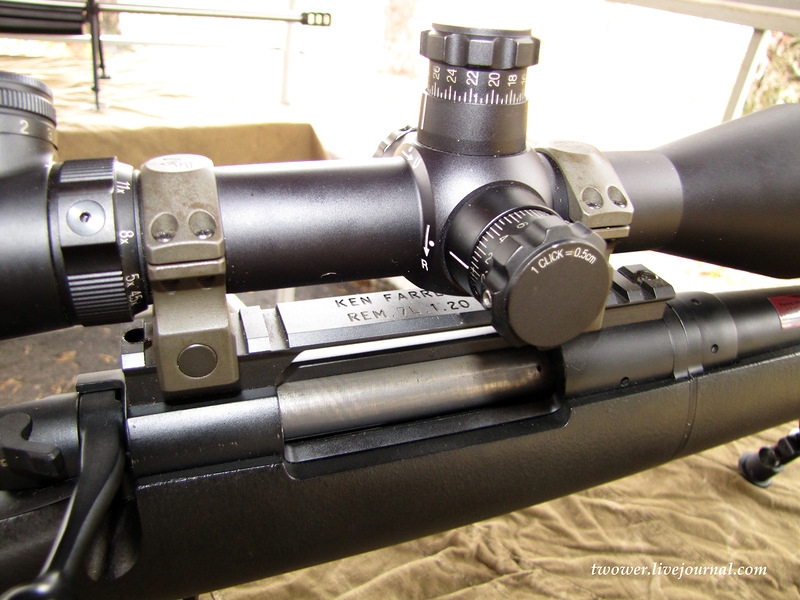
H-S Precision carabine


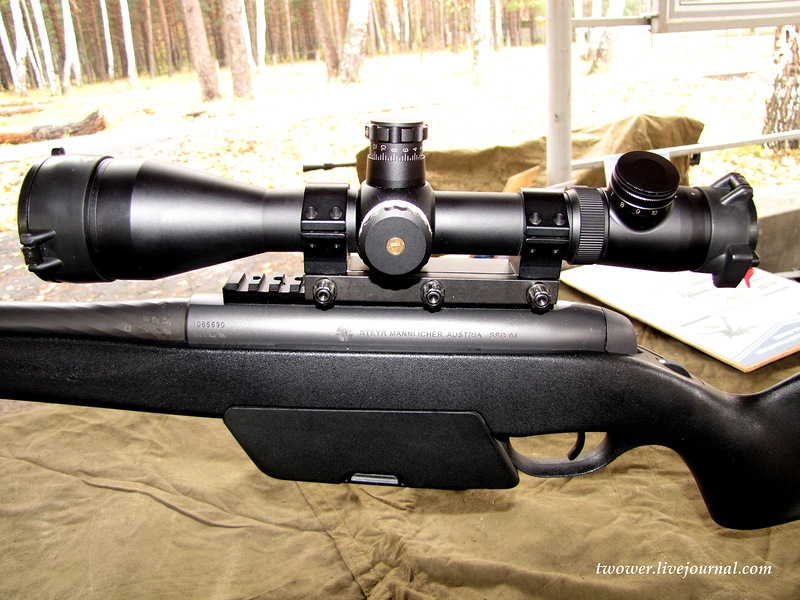
SSG04 rifle


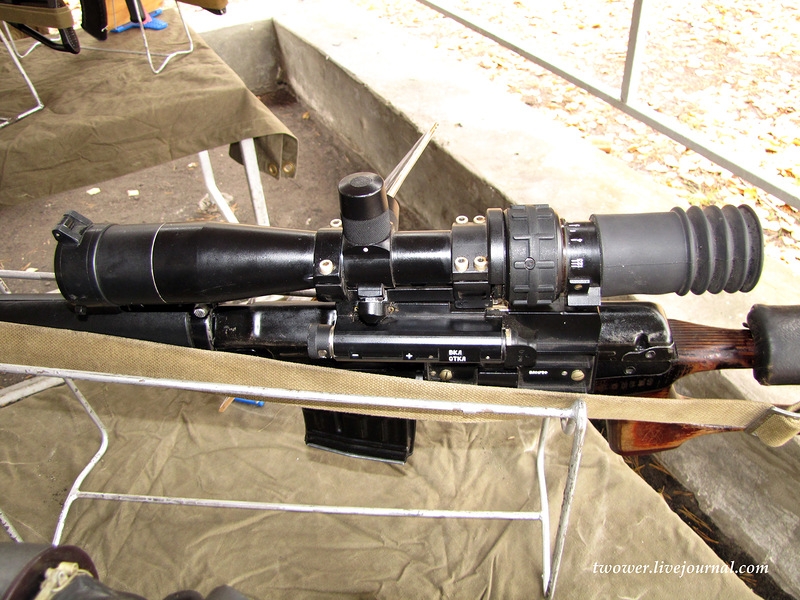
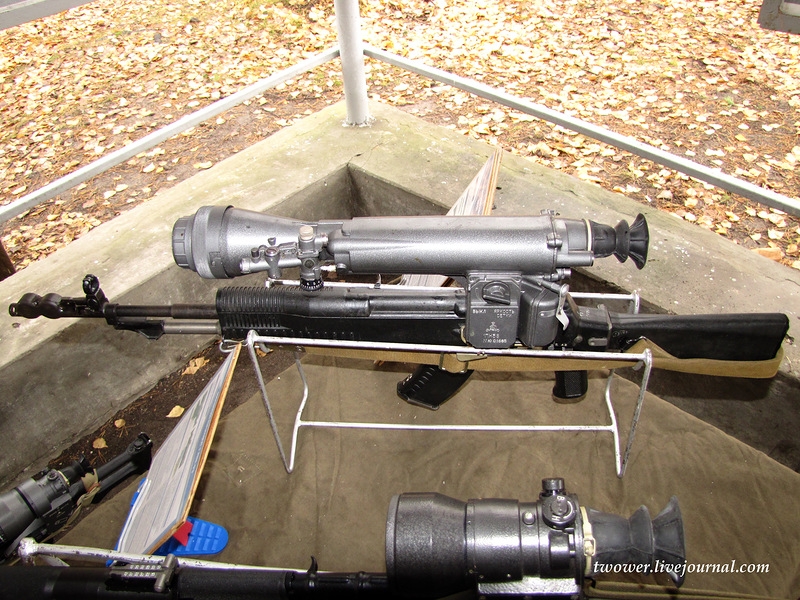
Russian backsight 1P59 “Gimeron” on Dragunov sniper rifle


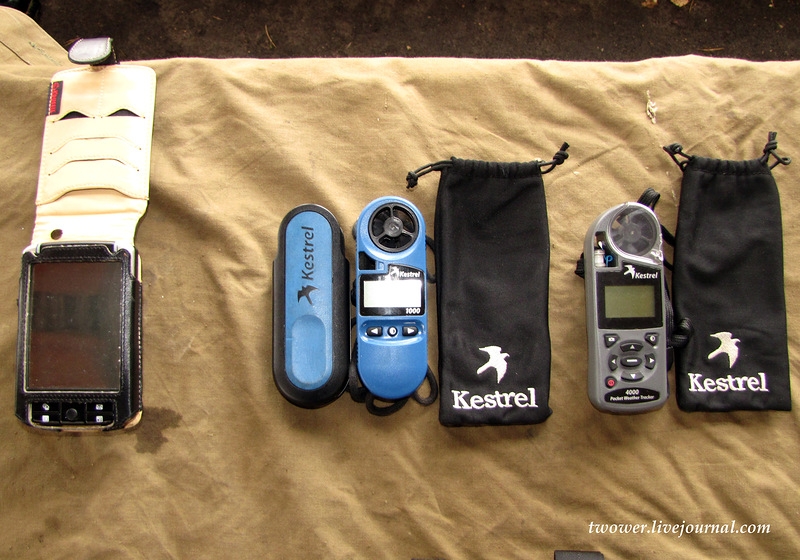
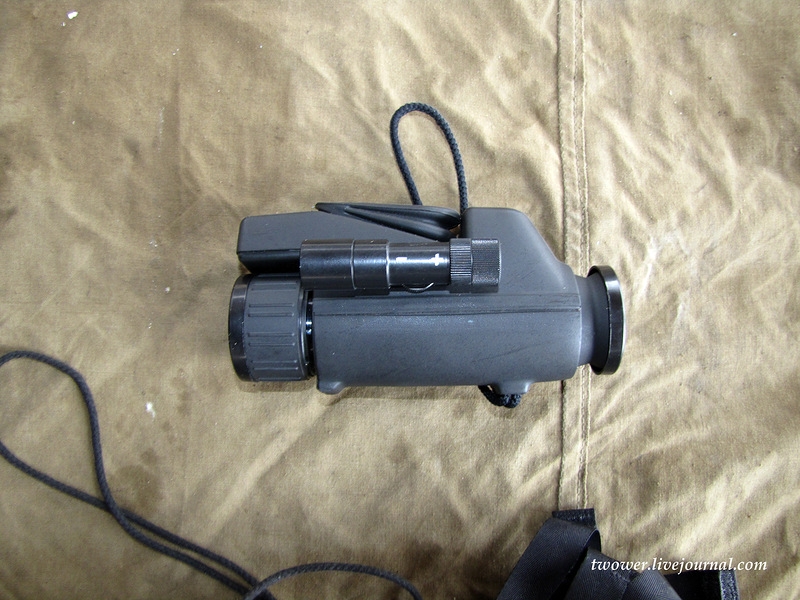
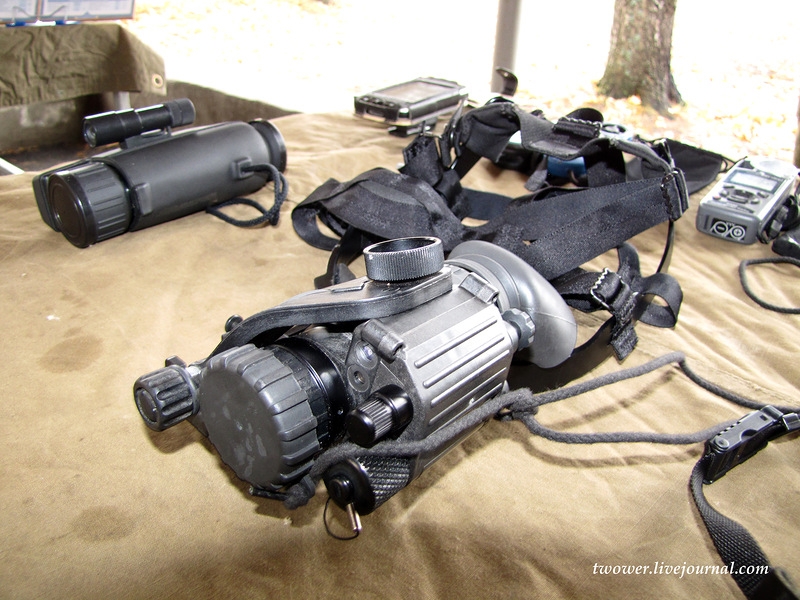
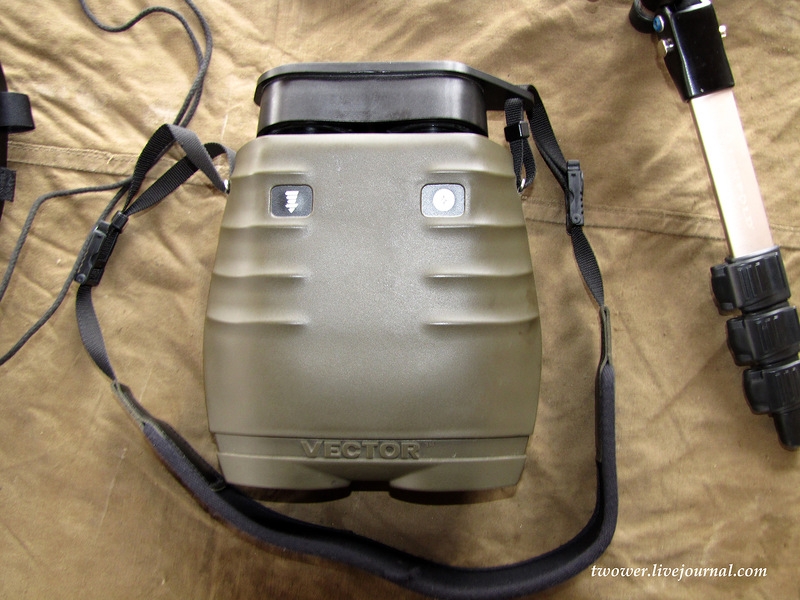
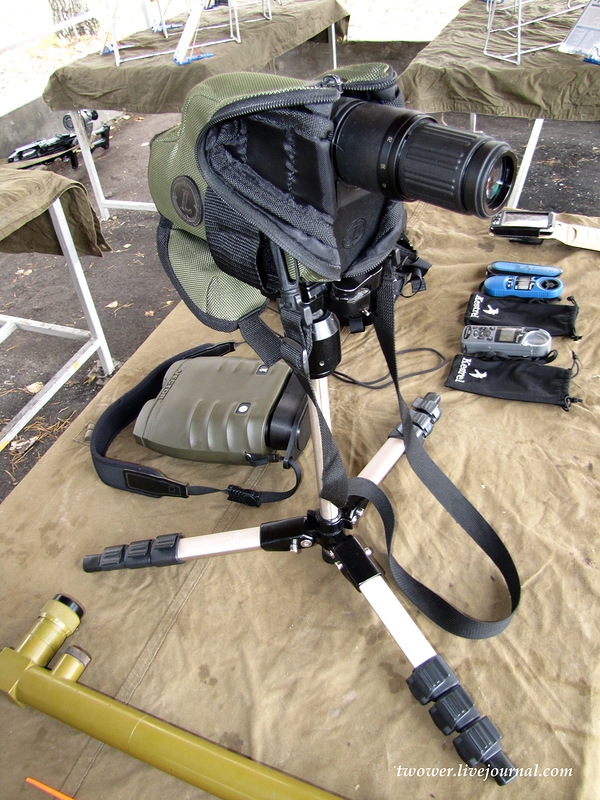
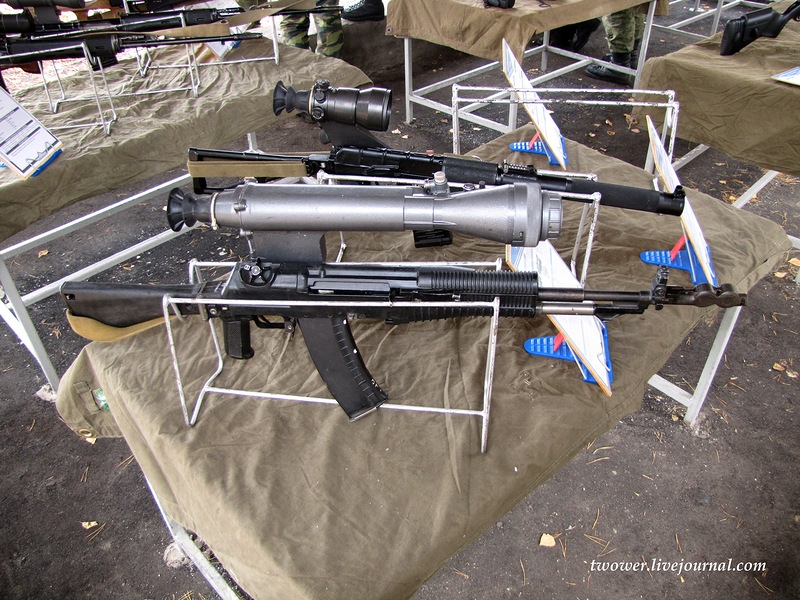
Snipers are given anemometers, pocket weather trackers, night vision equipment, range finders amd other devices.


Night vision.


PVS-14


Vector binocular


Second sniper use this tool to observe and correct the shooting.


Assault rifle AN-94 “Abakan”


Assault rifle AS “Val”


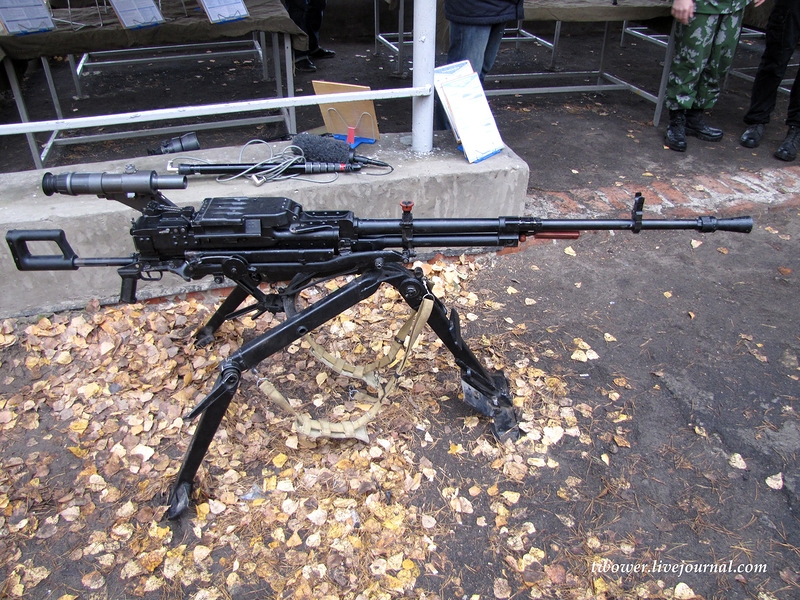
Heavy machine gun NSV “Ytes”


One of the snipers


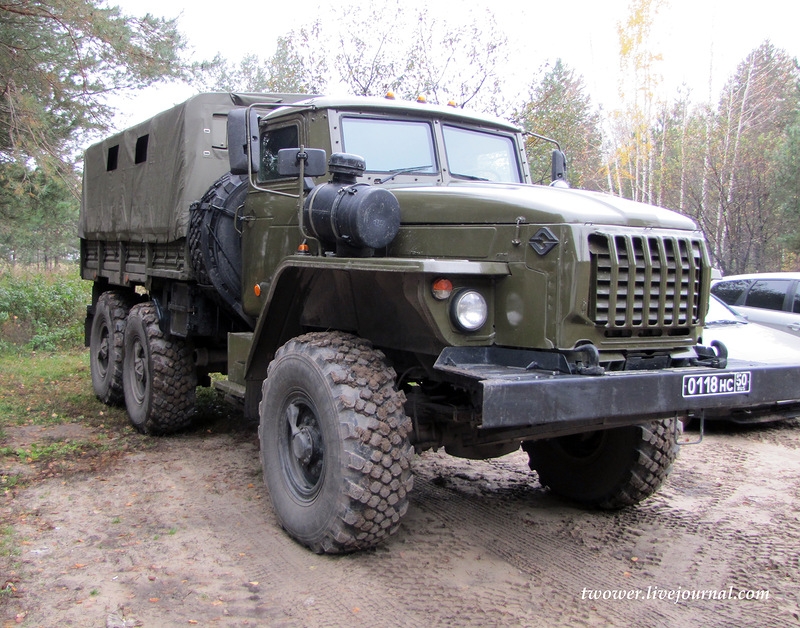
In 2006 old cars were substituted for armoured Urals.


Source


Τετάρτη 21 Σεπτεμβρίου 2011

Russia announces two army brigades will be sent, including special forces soldiers, to the Arctic


Russia has announced it will send two army brigades, including special forces soldiers, to the Arctic to protect its interests in the disputed, oil-rich zone. Russia, the U.S., Canada, Denmark and Norway have all made claims over parts of the Arctic circle which is believed to hold up to a quarter of the Earth’s undiscovered oil and gas. Prime Minister Vladimir Putin said Russia ‘remains open for dialogue’ with its polar neighbors, but will ‘strongly and persistently’ defend its interests in the region.

Russia’s defence minister Anatoly Serdyukov said the military will deploy two army brigades which he said could be based in the town of Murmansk close to the border with Norway. He said his ministry is working out specifics, such as troops numbers, weapons and bases, but a brigade includes a few thousand soldiers.


In 2007 The Russians used a mini submarine to plant their flag and stake a claim on much of the Arctic Ocean floor

In May Commander of the Russian Ground Forces Aleksander Postnikov took a three-day long trip to military camps on the Kola Peninsula, next to the borders of Finland and Norway. A spokesperson for the Russian Defense Ministry said that the first soldiers to be sent would be special forces troops specially equipped and prepared for military warfare in Arctic conditions.

The Russians say the establishment of an Arctic brigade is an attempt to ‘balance the situation’ and point to the fact that the U.S. and Canada are already establishing similar brigades. Drilling for oil and gas in the Arctic Circle has been made feasible as much of the Sheet ice has melted due to climate change.

Earlier this month Russia and Norway finally agreed terms on a deal to divide an area of the Barents Sea. The two countries had been locked in a dispute over the 68,000 square mile area since 1970.

However the agreement does not address one of the Russians’ key claims, that a huge undersea mountain range that covers the North Pole, forms part of Russia’s continental shelf and must therefore be considered Russian territory. The race to secure subsurface rights to the Arctic seabed heated up in 2007 when Russia sent two small submarines to plant a tiny national flag under the North Pole.


'Open for dialogue': Russian Prime Minister Vladimir Putin is to send thousands of troops to protect their interests in the Arctic

Russia argued that the underwater ridge connected their country directly to the North Pole and as such formed part of their territory, a claim which was disputed by other Arctic nations. The Russian company Rosneft has struck a short-term deal with BP to begin drilling in areas of the far north, even if the future of the marriage business is still not clear.

Another change brought about by the melting ice in the Arctic Ocean is that it has opened up new sea routes. The amount of ice in the region continues to decrease each year and many experts predict it will disappear completely by the year 2030.

This week a leading British global security expert predicted that the competition between nations for natural resources will bring about a third world war. Professor Michael Klare of Hampshire College, believes the next three decades will see powerful corporations at serious risk of going bust, nations fighting for their futures and significant bloodshed.

He said the winners in the race for energy security will get to decide how we live, work and play in future years – with the losers ‘cast aside and dismembered’.

He explained: ‘The struggle for energy resources is guaranteed to grow ever more intense for a simple reason: there is no way the existing energy system can satisfy the world’s future requirements.’

Κυριακή 24 Ιουλίου 2011

Spetsnaz


Παρακαλούμε κάντε κλικ στον ακόλουθο σύνδεσμο για να κατεβάσετε το άρθρο Spetsnaz: Μύθος, Σύγχυση, και Πραγματικότητα. Παρελθόν, παρόν και μέλλον των δυνάμεων ειδικών καθηκόντων της ΕΣΣΔ/ Ρωσίας σε μορφή PDF . 

Σύνδεσμος: http://www.apollo-ccrd.gr/files/pdf/spetsnaz.pdf


Πηγή

Σάββατο 2 Ιουλίου 2011

Ρωσικές Ειδικές Δυνάμεις στην Αρκτική


Την πρόθεσή της να εγκαταστήσει δύο ταξιαρχίες των ειδικών δυνάμεων της χώρας στην περιοχή της Αρκτικής γνωστοποίησε ο υπουργός Άμυνας της Ρωσίας.


«Οι δυνάμεις θα μπορούσαν να εγκατασταθούν στα λιμάνια του Μούρμανσκ και Άρκχαντσελσκ προκειμένου να έχουν άμεση πρόσβαση στην ευρύτερη περιοχή», σημείωσε ο Anatoly Serdyukov, μια μόλις ημέρα μετά την ανακοίνωση του πρωθυπουργού της χώρας, Vladimir Putin, ότι η Ρωσία θα υπερασπιστεί τα δικαιώματά της στην περιοχή της Αρκτικής θάλασσας.


Διεθνείς αναλυτές ερμηνεύουν τις συγκεκριμένες δηλώσεις ως μια πρώιμη προσπάθεια της Ρωσίας να ενισχύσει την παρουσία της σε μια περιοχή που μελλοντικά μπορεί να αποδειχθεί τεράστιας σημασίας λόγω των αποθεμάτων πετρελαίου και φυσικού αερίου που υπάρχουν κάτω από τους πάγους. Εφόσον η αλλαγή του κλίματος συνεχιστεί, αυτομάτως θα αυξηθούν οι εντάσεις στην ευρύτερη περιοχή καθώς το εδαφικό καθεστώς είναι αρκετά θολό με τη Δανία, τη Σουηδία, τη Φινλανδία και τη Νορβηγία να εγείρουν με αξιώσεις απαιτήσεις για εκμετάλλευση του ορυκτού πλούτου που υπάρχει στην περιοχή.