Εμφάνιση αναρτήσεων με ετικέτα Τουρκία. Εμφάνιση όλων των αναρτήσεων

Δευτέρα 28 Νοεμβρίου 2011

Can the Turkish state win the war against the PKK?


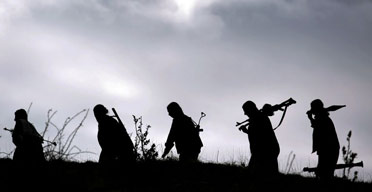
Turkey has been fighting against Kurdistan Workers' Party (PKK) terrorism for the last 30 years. Expectedly, this long-lasting fight has produced its own clichéd arguments, too. Without analyzing the major transformations of the sides involved, and political factors, Turkish intellectuals in the mainstream media, especially liberals with leftist backgrounds, have been circulating these clichés.

The first argument is the following: “The last 30 years have proved that neither the PKK nor the state can win this war.”

Wining the war here refers to militarily defeating the PKK, not removing the problems that cause the unrest among Kurds. In fact, it is true that the state could not win this war, basically because it did not want to win it. And there are a number of reasons why. First, the state did not want to implement democratic reforms or give basic rights to the Kurds, thus, it withheld the rights of the Kurds by using the PKK as a good excuse. In a way, the very existence of the PKK helped the state to push back Kurdish demands. The state, by maintaining the PKK risk at a level that did not pose a national security threat, postponed the democratization process.

Second, the state, by using the PKK as an excuse, kept the Kurds in northern Iraq under pressure to maintain its interests and military presence there. Whenever the Turkish state thought the PKK was developing more than expected, Turkey conducted massive operations to curb its expansion. One can find many examples of this.

The following question will further highlight the state's stance: When the PKK declared a cease-fire between 1999 and 2004 and withdraw its units to outside of the country, why didn't the state implement democratic reforms for Kurds, especially when it was shuffling its system to become a member of the EU? The answer is simple. The state never considered the PKK as a major threat to its national interests; it always used the terrorist organization as an excuse for its domestic policies and international interests.

Third, the political rivalry in Ankara between the military and the civilians was another reason why the military did not want to win this war. It was one of the reasons for the military to use the PKK as an excuse to maintain its influence over the government.

Fourth, 20 years ago, the military technology that is available today was not available to win the war without serious losses. Now, however, with the smart bombs and drone technology, the state has an enormous advantage helping it to find and kill PKK militants in deep valleys.

The PKK leadership misread this long-lasting strategy of the Turkish state and thought that the state would never defeat the PKK. In particular, the hard-liners in the PKK thought the Justice and Development Party (AKP) government and the Turkish state were at their weakest point, and with the Kurdish Communities Union (KCK) network the PKK was at its strongest. Therefore, the PKK thought it could win the war against the state if it launched a war that triggered a public revolution.

Yet it failed, because the state's policies toward northern Iraq and domestic politics as well as its perspective towards Kurds have changed. The state no longer considers granting democratic rights as a danger to its national unity. Instead, the state thinks that the existence of the PKK, with its deeply penetrated network among Kurds, is a threat to the Turkish state. Therefore, it has decided to remove the PKK from the face of the earth and it is likely now that the state will win this war.
 

Δευτέρα 31 Οκτωβρίου 2011

With the P.K.K. in Iraq’s Qandil Mountains


MaryShiho Fukada for The New York TimesBig Brother: Painted on flat stones laid on a hillside, one of many portraits of the P.K.K. founder Abdullah Ocalan stares down from a hillside in the Qandil Mountains of northern Iraq. The remote and sparsely populated mountain range near the Iranian and Turkish borders provides a haven for the leftist Kurdish separatist group, also known as the Kurdistan Workers’ Party.
QANDIL, Iraq — It is not easy to visit the mountainous borderlands of northern Iraq where the Kurdistan Workers’ Party operates, but it is not impossible either.
Such is the peculiar position of a group of committed insurgents against Turkish rule in Kurdish lands — even as Turkey and Iraq seek deeper and deeper ties, through diplomacy and trade, especially with Iraq’s semiautonomous Kurdish region.
Turkey’s ambitious desire to wield influence in Iraq — an assertion of soft power through culture, education and business — has done more perhaps than any military operation to isolate the party and its fighters, known as the P.K.K. and designated as terrorists by the United States and the European Union.
MaryShiho Fukada for The New York TimesSarya Agiri, 22, at a P.K.K. sewing factory where she works in the Qandil Mountains. She is from Maku, Iran, and has been with the P.K.K. for four years. She is a guerrilla fighter and carries her own gun. Although there is a picture of the Virgin Mary on a wall of the factory beside one of Mr. Ocalan, none of the women working there are Christian. They say they chose the image because it is a symbol of a strong woman.
FilmerShiho Fukada for The New York TimesDiler Hewram, 24, sitting for a portrait during the filming of a movie about the P.K.K. He joined the organization three years ago.
At the same time, the warming of relations could also provide the framework at least for the end of a conflict that has lasted more than a quarter of a century and cost at least 40,000 lives in Turkey.
The P.K.K.’s commander, Murat Karayilan,suggested in a recent interview here in Qandil that the group was prepared to end its fight and seek a political accommodation not unlike what Kurds now have in Iraq. His tone, while still blustery, reflected a tempering of the movement’s demands.
“They have murdered tens of thousands of our people,” he said of the Turkish state. “They have imposed sanctions on us for years. They have tried every possible means, but we are still here and we want a democratic solution.”
SewShiho Fukada for The New York TimesNecbir Botan, 28, a P.K.K. volunteer from Syria, makes uniforms at the movement’s sewing factory. She has been with the P.K.K. in Qandil for four years.
In northern Iraq, the contrast could not be starker. In the Kurdish regional capital, Erbil, a Turkish-built shopping mall offers a temple of consumer prosperity. A few hours’ drive away, the P.K.K.’s fighters live a spartan existence in the mountains where Iraq’s borders with Iran and Turkey meet.

Officially, the Kurdish regional government in northern Iraq denies providing safe haven for the rebels and restricts access to the areas where they operate, but not particularly vigorously. Two separate visits by The New York Times — negotiated over several weeks — involved bouncing, surreptitious journeys over dirt roads that evaded the last official checkpoints of the Iraqi state.
Once in the area surrounding Qandil, the party’s presence was indisputable. In the case of a massive hillside portrait of the party’s imprisoned founder, Abdullah Ocalan, it seemed taunting.
The party’s uniformed fighters, men and women, control checkpoints or patrol the roads and tracks that wind through the harsh, craggy terrain. The party has a sewing factory to make its uniforms, a clinic to treat its wounded and a cemetery to bury its dead.
GunShiho Fukada for The New York TimesRengin Ararat, 31, from Syria, blowing dust off her Kalashnikov assault rifle outside the sewing factory. She has been with the P.K.K. for 12 years.
A German doctor, Medya Avyan, now works at the hospital. She has no Kurdish roots, but volunteered to help the Kurdish cause after learning of it from friends in the 1990s. Her name is a Kurdish one she assumed after moving to northern Iraq in 1993. (She declined to give her original German name, saying only that she was from Celle in Lower Saxony and had studied medicine in Hamburg.)
On a bookshelf in behind her in the hospital was Mr. Ocalan’s photograph, a volume on Hippocrates and a history of the P.K.K. Asked how she reconciled treating people in a hospital operated by an organization accused of killing thousands, she replied with remarks that many in Turkey would dispute.
“The P.K.K. don’t kill any civilians,” she said. “That’s very important. They are killing those who kill them. They defend themselves, nothing else.”
All of the party’s members — its leaders, its fighters, its volunteers — defended their fight and their cause with a romanticism that makes it difficult to imagine their laying down arms and returning to peaceful civilian life. Many have been in the mountains for years.
FilmersShiho Fukada for The New York TimesThe P.K.K. movie crew, from left to right: Dersim Zerevan, 29, videographer; Jinda Baran, 32, director; and Zozan Agiro, 32, videographer. They have been shooting a film about P.K.K. couriers during the guerrilla struggle with Turkey.
“I have been a guerrilla for 18 years,” Gorse Mereto, 32, a uniformed fighter, said during a break in the improbable shooting of a propaganda film. (The set was a campfire at night, illuminated by stage lights hanging from trees.) “I have seen many difficulties. In all the situations in which I myself was present, no civilian was killed, but soldiers were.”
FilmShiho Fukada for The New York TimesZozan Agiro, 32, a P.K.K. member and videographer. The P.K.K. movie was shot around the Qandil Mountains with P.K.K. actors, some of whom have fought in the campaign.
He had his own rationale, a history, viewed through Kurdish eyes, of Turkish oppression. It suggested a cycle of violence that would take time to break. “They have destroyed a lot of villages,” he said. “They have killed innocent civilians. They have killed many of our men.”
He continued, “Anybody, even an animal, defends itself.”
DanceShiho Fukada for The New York TimesP.K.K. actors/guerrillas dancing in a scene from the movie, enacting celebrations around a campfire.
BeltShiho Fukada for The New York TimesA P.K.K. actor taking part in the movie.
Read Sebnem Arsu from Istanbul in the Times: ‘Step by Step, Gulf Between Turkey and Kurds Narrows’:

It is highly unlikely that Mr. Erdogan would consider autonomy for the Kurds, but analysts expect him to at least entertain notions like restructuring election laws to allow minority parties to have greater access to Parliament and allowing wider use of ethnic languages like Kurdish…
Publicly, the ruling party refuses to negotiate with the P.K.K., which is listed as a terror organization by the European Union and the United States. But behind the scenes, it has been reaching out to Kurdish activists to find common ground on which to build a viable solution.”


Σάββατο 28 Μαΐου 2011

Η αιφνίδια διακοπή τουρκικών στρατιωτικών ασκήσεων στο Αιγαίο

Η αιφνίδια διακοπή τουρκικών στρατιωτικών ασκήσεων στο Αιγαίο


Η αιφνίδια διακοπή των δύο μεγαλύτερων τουρκικών στρατιωτικών ασκήσεων στο Αιγαίο, ξάφνιασε τον τουρκικό Τύπο, ενώ παράλληλα πυροδότησε και πολλά σενάρια τα οποία συνδέονται με τις σχέσεις μεταξύ Ελλάδας και Τουρκίας, αλλά και με τις επερχόμενες τουρκικές εκλογές.

Το τουρκικό Γενικό Επιτελείο ενόπλων δυνάμεων, με μια λιτή ανακοίνωση που εξέδωσε αναφέρει ότι «ματαιώθηκαν οι τουρκικές στρατιωτικές ασκήσεις "Θαλασσόλυκος 2011" και "Έφεσος 2011" που κάθε χρόνο διεξάγονται στο Αιγαίο και τη Μεσόγειο. Φέτος είχαν προγραμματιστεί  να διεξαχθούν στις 25-27 Μαΐου». Σημειώνεται δε, ότι η ανακοίνωση δεν αναφέρει τίποτε άλλο, (όπως για παράδειγμα τον λόγο της ακύρωσης), γεγονός που, όπως φαίνεται, προβλημάτισε τον τουρκικό Τύπο, αφού έδωσε «τροφή» για πολλά σενάρια.

Τι αναφέρουν στρατιωτικοί κύκλοι στην Αθήνα
Στρατιωτικοί κύκλοι στην Αθήνα εξήγησαν την αιφνιδιαστική ακύρωση των ασκήσεων ως εσωτερικό πρόβλημα μεταξύ κυβέρνησης και στρατού, αναφέροντας την υπόθεση βαριοπούλα. Οι ίδιοι κύκλοι ανέφεραν πως δεν πρέπει κανείς να ξεχνά ότι πολλές μονάδες του τουρκικού ναυτικού επιχειρούν αυτή τη στιγμή στη Λιβύη, με ό, τι αυτό συνεπάγεται για την εύρυθμη εξέλιξη μιας στρατιωτικής άσκησης επιπέδου «Θαλασσόλυκος» και κυρίως «Εφέσου 2011».

Επίσης το ελληνικό Πεντάγωνο απέκλεισε το ενδεχόμενο να υπάρχει κάποια ανεπίσημη συνεννόηση μεταξύ των δύο ΓΕΕΘΑ για ακύρωση ασκήσεων στο Αιγαίο.

Οι ίδιοι κύκλοι, υπενθυμίζουν πως η Ελλάδα για λόγους εξοικονόμησης πόρων δεν προβαίνει σε ασκήσεις μεγάλου βεληνεκούς εδώ και καιρό. Ανεξάρτητα από τα παραπάνω, από τις 24 Μαΐου βρίσκεται στην Άγκυρα κλιμάκιο του ελληνικού ΓΕΕΘΑ το οποίο συζητά με αξιωματικούς της Τουρκίας το περιεχόμενο των Μέτρων Οικοδόμησης Εμπιστοσύνης (ΜΟΕ), τα οποία θα ισχύσουν το 2012.

Τι απάντησε ο ΥΠΕΘΑ της Τουρκίας

Ο  υπουργός  Άμυνας της Τουρκίας, Βετζντί Γκιονούλ, ανέφερε ότι: «Η αναβολή των στρατιωτικών ασκήσεων στο Αιγαίο είναι απόφαση που αφορά αποκλειστικά το Γενικό Επιτελείο».

Από την Αττάλεια όπου βρίσκεται, κ. Γκιονούλ δήλωσε ότι δεν έχει καμία ευκαιρία να συζητήσει το θέμα με την στρατιωτική ηγεσία, αφού η στρατιωτική ηγεσία βρίσκονταν στην Κωνσταντινούπολη, για κάποια άλλη άσκηση.

«Γι' αυτό και δεν είχαμε κατ' ιδίαν συνάντηση», είπε, απαντώντας σε σχετικές ερωτήσεις δημοσιογράφων και προσέθεσε ότι «πρόκειται για αποτέλεσμα δικής τους εσωτερικής αξιολόγησης. Η απόφαση αυτή προήλθε από εσωτερική αξιολόγηση του Γενικού Επιτελείου».

Παράλληλα, ανακοίνωση που αναρτήθηκε χθες το βράδυ στον ιστότοπο του Τουρκικού Επιτελείου ανήγγειλε την ακύρωση δύο τακτικών ασκήσεων στο Αιγαίο.

Θετικά βλέπει το γεγονός ο υπουργός Τουρισμού της Τουρκίας

Ο υπουργός Τουρισμού της Τουρκίας, Ερτεουρούλ Γκικουνάι, ο οποίος βρίσκεται στην Σμύρνη, αφού ρωτήθηκε από δημοσιογράφους για το συγκεκριμένο θέμα απάντησε : «Σχολιάζω την ακύρωση των ασκήσεων ως μια ομαλοποίηση στις σχέσεις μας με την Ελλάδα και μια πορεία ειρήνης στο Αιγαίο». Επίσης πρόσθεσε ότι «θα συμβάλλει στην ανάπτυξη του τουρισμού».

Τα σενάρια του τουρκικού τύπου για την ακύρωση των ασκήσεων

Σενάρια που είδαν το φώς της δημοσιότητας στον τουρκικό Τύπο φέρουν να υπάρχει ένταση μεταξύ πολιτικής και στρατιωτικής ηγεσίας.

-Ο τουρκικός Τύπος, προβάλλει τον ισχυρισμό ότι οι ασκήσεις ήταν σχεδιασμένες να γίνουν σε χωρικά ύδατα της Ελλάδας τα οποία η Τουρκία τα θεωρεί διεθνή, οπότε, προκειμένου να μην γίνει θερμό επεισόδιο, ακυρώθηκαν.

-Πολύ σημαντικό είναι το γεγονός, πάντα σύμφωνα με τον Τύπο, ότι ο διοικητής της άσκησης «Θαλασσόλυκος», εμπλέκεται στην υπόθεση «Βαριοπούλα», η οποία συνδέθηκε με το σχέδιο ανατροπής του πρωθυπουργού της Τουρκίας, Ταγίπ Ερντογάν.

Στην άσκηση EFES-201i θα συμμετείχαν περί τα 8.000 στελέχη των τουρκικών ενόπλων δυνάμεων και συγκεκριμένα:

• 2 μηχανοκίνητα τάγματα πεζικού, 1 επιλαρχία αρμάτων, 3 μοίρες πυροβολικού, 2 τάγματα πεζοναυτών, 3 ομάδες της ∆ιεύθυνσης Ειδικών ∆υνάμεων του τουρκικού ΓΕΕΘΑ (Bordo Bereli), τμήματα βατραχανθρώπων SAS και SAT και 1 τάγμα καταδρομών.


• Πολεμικά πλοία (φρεγάτες, κορβέτες, υποβρύχια), 47 αποβατικά σκάφη, 45 ελαστικές λέμβοι και σκάφη της διοίκησης ασφαλείας ακτών.

• 46 πολεμικά αεροσκάφη (F-16 και F-4), 4 μεταγωγικά αεροσκάφη, 1 αεροσκάφος ηλεκτρονικού πολέμου, 33 μεταφορικά και επιθετικά ελικόπτερα, καθώς επίσης και μη επανδρωμένα αεροσκάφη τουρκικής κατασκευής mini UAV’s.