Εμφάνιση αναρτήσεων με ετικέτα ISAF. Εμφάνιση όλων των αναρτήσεων

Πέμπτη 9 Αυγούστου 2012

Stabilizing the wild southwest of Afghanistan

A Marine assigned to the 1st Marine Special Operations Battalion from Camp Pendleton works with the local Afghan Local Police in Puzeh.


Marine special operations forces realized the security situation had changed dramatically in their stretch of the upper Sangin river valley this summer when village boys started playing policeman instead of Taliban insurgent.

Matt, leader of the team from Camp Pendleton’s 1st Marine Special Operations Battalion now stationed in Puzeh, compared it to the old days of the American West.

Back then, “it wasn’t cool to be a sheriff. It was cool to be a bank robber until Wyatt Earp came along and started making a name for himself and for lawmen. That’s kind of what we saw here,” said the team leader, who couldn’t be fully identified because of the sensitive nature of his mission. “You see kids running around now trying to play ALP (Afghan Local Police). So it’s catching on.”

Puzeh flanks a dirt road cutting through desert hills in what might be described as the wild southwest of Afghanistan. The district it’s in, Sangin, has been among the bloodiest of the war for U.S. and British forces. Yet Puzeh is the successful poster child, at the moment at least, for a unique, bottom-up approach to stabilizing the hinterlands that U.S. military commanders describe as probably their most important endeavor.

At its heart is recruitment of Afghan Local Police — villagers armed and paid to protect their hometowns — but the overarching “Village Stability Operations” spearheaded by special operations forces throughout Afghanistan have broader ambitions.

After recruiting the sons and brothers of tribal leaders to serve as local police, the special operators also aim to strengthen governance and economic development by linking them to regular police forces and local councils planning for community needs like roads or wells.

Amid the special operations forces’ more well-known missions — such as raids like the one that killed Osama bin Laden and mentoring of national security forces — the elite troops started opening “platforms” for village stability operations throughout Afghanistan about two years ago.

Lt. Col. Michael Brooks, a Camp Pendleton Marine commander in charge of Special Operations Task Force-West, said the first time he visited Puzeh early in its development, special operations forces were getting shot at by rocket-propelled grenades. The task force oversees special operators from all branches of the armed services stationed in six provinces of Afghanistan.

Several factors contributed to Puzeh’s newfound calm and the strength of its local police program, including tribal dynamics and geography, but the most important was developing strong relationships with the people, he said.

“If they’re just dealing with you and following your routine and your agenda, when you leave it’s going to revert back to what it was before you got there. But if you establish a relationship and they understand what’s going on and they see the opportunity in front of them, they truly do mobilize,” Brooks said.

The special operations forces do that by living among the Afghans, growing beards like the locals and sometimes even fasting during the day in respect for the Muslim holy month of Ramadan that started in late July.

But no matter how closely they work with the villagers, the program has little chance of success in areas where there is no connection to the central government, Brooks said. For instance, after special operations forces stepped back from one of their sites established in 2010 in Badghis province, dozens of local police surrendered last month to the Taliban.

The joint special operations command has not shied away, however, from village stability operations in the most violent areas of the country. Although the chances of success may be better when they are invited by a community, commanders said, they also have fought their way into areas appearing to be unrelenting insurgent strongholds.

One of their newest sites is in Nahr-e Saraj district — the most violent in all Afghanistan. In late June, about 800 troops, including British and U.S. infantry, tankers, engineers and both American and Afghan special operations forces, moved into the Qala-e Gaz area of the upper Gereshk valley in Nahr-e Saraj to establish a new base for village stability operations and local police. Several Marines were killed during the operation, which included the 1st Battalion, 7th Marine Regiment out of Twentynine Palms.

The idea is to eliminate irreconcilable insurgents, convince the half-hearted that there’s another way and help the Afghan government arm the rest against Taliban attacks and infiltration.

Maj. Gen. David Berger, the commanding general overseeing conventional Marine ground forces in southwestern Afghanistan, said the local police are critical to rehabilitating the country’s most war-torn areas. They are more effective at spotting signs an American might overlook, like the Pakistani sandals on a militant’s feet, he said, and they have more credibility than coalition or even Afghan national forces who usually hail from other areas of the country and don’t speak the same language as the villagers.

“What probably was a tight-woven fabric has been broken apart. Where that fabric has frayed, some of the glue is the local police. Because if the three of us are nominating our sons, we have some skin in the game,” Berger said. He cautioned, however: “It’s not a quick process. People want to wake up tomorrow and have nirvana, but it takes many months.”

New ones are still being established, but many of the existing programs are reaching maturity, commanders said, and are being transferred to Afghan control as the local police are put on the Ministry of the Interior payroll.

Critics deride the local police as militias susceptible to human rights abuses and warlordism of the kind that spawned the Taliban takeover. But Marine commanders say this approach may be the best hope for long-term peace in a country with a weak central government and strong history of tribalism.

About a year and a half after the forces moved into Puzeh, the area has about 120 local police, a functioning community council that interacts with the district, a refurbished school and a mosque under construction. Three civilians were injured by insurgent bombs in the last couple months — historically a low number for the area — and the main road is regularly trafficked and long since cleared of explosives.

Insurgents remain an active threat on the outskirts, as the memorial under construction last month in Puzeh to seven local policemen killed in action attests. But the program helping the village secure itself is virtually on auto pilot now, with U.S. special operations forces remaining on site as a quick reaction force and Afghan troops handling most recruit training to replace ones fired by local elders.

Puzeh is so calm that Matt and his Afghan counterpart, a 27-year-old special forces commander named Qurbaan, don’t wear body armor when they roll in their all-terrain vehicle out the metal gates of their compound to take the pulse and chat with villagers.

Qurbaan stands on the road wearing rubber slippers, bouncing a baby girl on his hip as he grips hands and grins and fobs off pleas for gasoline. “My daughter,” he jokes in English, with perfect political pitch.

The Puzeh local police scored two of their biggest victories this summer. In June they repelled an attack by upwards of 75 insurgents. Then in mid-July they tracked several Taliban commanders and pinned them against a cliff with gunfire until a coalition air strike finished them off.

One of the insurgents, a 30-something named Zahid easily recognized by the metal brace on his leg, had terrorized the village. After being wounded 11 times, “he had kind of taken on a boogie man persona,” said Ryan, the Marine special operations team chief.

When the Afghan local police paraded his body through town on a donkey, hundreds of people thronged the road. Afghan men approached the gates of the special operations forces compound with tears in their eyes and fired guns in celebration.

“The boogie man was dead,” Ryan said, and it wasn’t the Americans who found him. “It was Afghan Local Police.”



Δευτέρα 16 Απριλίου 2012

Μάχη στην Καμπούλ

Τουλάχιστον 21 νεκροί έπειτα από 16 ώρες μαχών στην Καμπούλ

Ελικόπτερα του NATO εξαπέλυσαν επιθέσεις σε ένοπλους κρυμμένους σε ένα κτίριο υπό κατασκευή που επιβλέπει το αρχηγείο της δύναμης του βορειοατλαντικού συμφώνου και πρεσβείες, περιλαμβανομένων αυτών της Βρετανίας, της Γερμανίας, της Τουρκίας και του Ιράν.

Μαχητές των Τάλιμπαν έριχναν με αυτόματα όπλα εναντίον των ειδικών δυνάμεων του αφγανικού στρατού και της αστυνομίας, στην διάρκεια οδομαχιών που διαρκούν ως τώρα 16 ώρες.

Η επίθεση που εξαπέλυσαν οι αντάρτες από το μεσημέρι χθες, με επιθέσεις εναντίον πρεσβειών, ενός σούπερ-μάρκετ, ενός ξενοδοχείου και της βουλής, χαρακτηρίζεται μια από τις πιο σοβαρές στην Καμπούλ αφότου αφγανικές δυνάμεις με την υποστήριξη των ΗΠΑ και συμμάχων τους ανέτρεψαν το καθεστώς των Τάλιμπαν το 2001. Υπογραμμίζει ότι οι μαχητές έχουν την ικανότητα να πλήττουν την αυστηρά φρουρούμενη διπλωματική συνοικία της πόλης ακόμα και μετά από δέκα χρόνια πολέμου.

Το υπουργείο Εσωτερικών ανακοίνωσε ότι 19 αντάρτες, ανάμεσά τους βομβιστές-καμικάζι, σκοτώθηκαν στις επιθέσεις στην Καμπούλ και τουλάχιστον τρεις ακόμα επαρχίες, ενώ δύο συνελήφθησαν. Δύο αστυνομικοί σκοτώθηκαν, ενώ δεκατέσσερις αστυνομικοί και εννέα πολίτες τραυματίστηκαν, σύμφωνα με την ίδια πηγή.

Την ευθύνη για την επίθεση διεκδίκησαν οι Τάλιμπαν, αλλά ορισμένοι αξιωματούχοι είπαν ότι οι Χακάνι, ένα δίκτυο μαχητών που έχουν σχηματίσει μέλη φυλών στα σύνορα Αφγανιστάν-Πακιστάν, είναι πιθανότατα αναμεμιγμένοι.

"Η εικασία μου, με βάσει την προηγούμενη εμπειρία μου εδώ, είναι πως πρόκειται για ένα σύνολο επιχειρήσεων του δικτύου Χακάνι [που διευθύνονται] από το βόρειο Ουαζιριστάν και τις περιοχές των φυλών στο Πακιστάν", δήλωσε ο Αμερικανός πρεσβευτής Ράιαν Κρόκερ στο τηλεοπτικό δίκτυο CNN. "Ειλικρινά δεν νομίζω ότι οι Τάλιμπαν είναι αρκετά καλοί", πρόσθεσε.

Ο εκπρόσωπος των Τάλιμπαν Ζαμπιχουλάχ Μουτζαχίντ όμως είπε στο πρακτορείο Ρόιτερς ότι "αυτές οι επιθέσεις είναι η έναρξη της εαρινής εκστρατείας μας και τις σχεδιάζαμε για μήνες". Είπε ότι πρόκειται για εκδίκηση για μια σειρά συμβάντων στα οποία ενεπλάκησαν Αμερικανοί στρατιώτες στο Αφγανιστάν —περιλαμβανομένης της καύσης αντιτύπων του Κορανίου σε μια βάση του NATO και της σφαγής 17 αμάχων για την οποία κατηγορείται ένας Αμερικανός υπαξιωματικός— και πρόσθεσε ότι θα υπάρξουν κι άλλες τέτοιες ενέργειες. Χθες, οι Τάλιμπαν ανέφεραν ότι οι βασικοί στόχοι τους ήταν οι πρεσβείες της Γερμανίας και της Βρετανίας και το αρχηγείο της δύναμης του NATO. Αρκετοί βουλευτές φέρονται ότι συμμετείχαν στις μάχες για την απώθηση των ανταρτών κοντά στη βουλή.

Οι επιθέσεις χαρακτηρίζονται πλήγμα για τον πρόεδρο των ΗΠΑ Μπαράκ Ομπάμα, ο οποίος βρίσκεται σε προεκλογική εκστρατεία. Σημειώθηκαν περίπου ένα μήνα πριν από τη σύνοδο του NATO στην οποία οι Ηνωμένες Πολιτείες και οι σύμμαχοί τους αναμενόταν να βάλουν τις τελευταίες πινελιές στην διαδικασία μεταβίβασης της ευθύνης για την ασφάλεια στις αφγανικές δυνάμεις, και μερικές ημέρες πριν από την προπαρασκευαστική σύνοδο των υπουργών Άμυνας και Εξωτερικών στις Βρυξέλλες ενόψει της συνόδου κορυφής στο Σικάγο.

Ο Αμερικανός στρατηγός Τζον Άλεν εξήρε την αντίδραση των αφγανικών δυνάμεων, τον "επαγγελματισμό" και την "πρόοδό" τους.

Πηγές των υπηρεσιών ασφαλείας είπαν ότι τουλάχιστον τρεις βόμβες έπεσαν στο εσωτερικό της πρεσβείας της Ιαπωνίας. Εκπρόσωπος του υπουργείου Εξωτερικών της Γερμανίας είπε ότι τμήμα του κτιρίου της πρεσβείας της χώρας στην Καμπούλ υπέστη ζημιές. Τουλάχιστον μια χειροβομβίδα έπεσε στην πρεσβεία της Ρωσίας, κοντά στη βουλή.

Τέτοιες επιθέσεις δεν είχαν γίνει στην Καμπούλ από τον Σεπτέμβριο, όταν οι Τάλιμπαν είχαν επιτεθεί στην πρεσβεία των ΗΠΑ και στο αρχηγείο του NATO. Εκείνες οι μάχες είχαν διαρκέσει πάνω από 20 ώρες και 25 άμαχοι είχαν σκοτωθεί.

Επιθέσεις σημειώθηκαν επίσης στην Τζαλαλαμπάντ, στην επαρχία Νανγκαρχάρ, εναντίον στρατιωτικής βάσης του NATO στην πόλη και δυνάμεων της διεθνούς δύναμης κοντά στο αεροδρόμιο. Τέσσερις αντάρτες σκοτώθηκαν. Στην Λογκάρ, "τρομοκράτες κατέλαβαν ένα κυβερνητικό κτίριο" και ξέσπασε μάχη, με αποτέλεσμα τρεις αστυνομικοί να τραυματιστούν. Πέντε αντάρτες επιτέθηκαν στο κυβερνείο στην Γκαρντέζ, πρωτεύουσα της επαρχίας Πάκτια. Τέσσερις σκοτώθηκαν κι ο πέμπτος συνελήφθη, ανέφερε το υπουργείο Εσωτερικών.

Τετάρτη 6 Ιουλίου 2011

Special operations forces capture burka-clad Islamic Movement of Uzbekistan leader in Afghan north

afghanistan_map_thumb.jpg
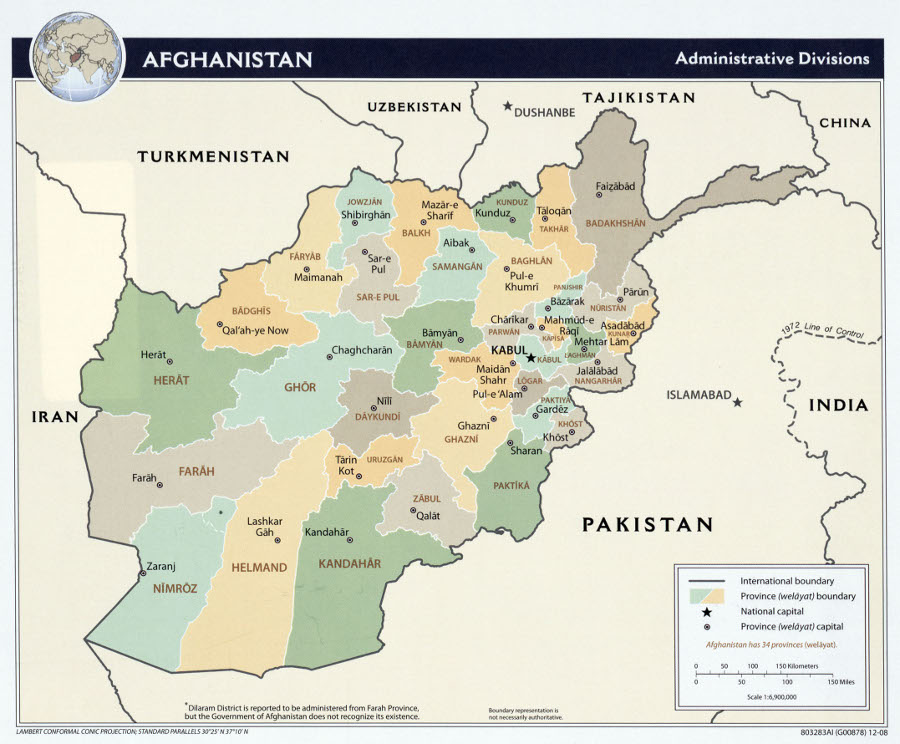
Map of Afghanistan's provinces. Click map to view larger image.

Coalition and Afghan special operations forces captured a senior terrorist leader during a night raid a weeik ago, in the northern Afghan province of Kunduz.

The senior Islamic Movement of Uzbekistan leader, who was not named, "attempted to disguise himself as a female by wearing a burka, which is an all-enveloping cloak worn by some Muslim women," the International Security Assistance Force noted in a press release. He was captured along with two of his aides.
The IMU commander "facilitated suicide bomb operations and coordinated attacks against other Afghan security forces," and "also supported the Taliban network," ISAF stated.
ISAF and Afghan special operations forces have focused considerable efforts against the IMU. Of the eight raids against terror groups directly allied with al Qaeda that were reported by ISAF this month, seven targeted the IMU. Three of those raids took place in Kunduz, two in the neighboring province of Baghlan, two in Balkh in the northwest, and one in Zabul in the southeast.
In April, ISAF and Afghan forces captured the IMU's top leader in Afghanistan. The unnamed IMU leader escaped from a jail in Pakistan sometime in 2010 and entered Afghanistan shortly afterward. The captured IMU leader served as "a key conduit between the senior IMU leadership in Pakistan and senior Taliban leadership in Afghanistan," ISAF stated.
Background on terrorist havens in the north
ISAF has begun to identify the location of safe havens and training camps in the north for the Taliban and the allied Islamic Movement of Uzbekistan. Both terror groups maintain a strong presence in the northern Afghan provinces of Badakhshan, Baghlan, Balkh, Faryab, Jawzjan, Kunduz, Samangan, Sar-i-Pul, and Takhar, and have established suicide and military training camps in the north over the past several years. As the two groups expand their presence in the north, top leaders of the Islamic Movement of Uzbekistan have integrated into the Taliban's shadow government in the northern provinces.
ISAF has identified the presence of camps in Sar-i-Pul and Samangan provinces. On March 22, the special operations team captured an IMU commander who ran camps in Samangan.
The IMU has also established camps in Kunduz province, a Taliban commander from Baghlan named Mustafa told the Asia Times. The Taliban commander said that jihadis from Central Asia, including "Chechnya, Uzbekistan, Tajikistan, and Russia," make up a significant portion of the fighters in the the Afghan north and that they are setting their sights on the neighboring country of Uzbekistan.
"I can tell you that there is an active connection between the Central Asian command and the Taliban in northern Afghanistan and they often join us, but how they connect, this is beyond my level," Mustafa told Asia Times. "Our superior commanders are in touch with their counterparts in Central Asia and if somebody arrives in Afghanistan or goes to Central Asia from Afghanistan, it is arranged at a senior leadership level."
In late January 2011, Afghan police in Kunduz said they were looking for 15 Chechen women in the northern Afghan province who are aiding the Taliban. The women are either serving as nurses or "are experts in making roadside bombs and suicide vests."
The IMU in Pakistan
The IMU's leadership cadre is based in Pakistan's Taliban-controlled tribal agency of North Waziristan, and operates primarily along the Afghan-Pakistani border and in northern Afghanistan. According to one estimate, more than 3,000 Uzbeks and other Central Asian fighters are sheltering in North Waziristan.
Between September 2010 and January 2011, the US ramped up airstrikes against the terror groups in North Waziristan. Many of the strikes targeted cells run by the Islamic Jihad Group, an IMU offshoot, which were plotting to conduct Mumbai-styled terror assaults in Europe. A Sept. 8 strike killed an IJG commander known as Qureshi, who specialized in training Germans to conduct attacks in their home country.
In South Waziristan, the IMU's former leader, Tahir Yuldashev, was killed in a US Predator airstrike in September 2009. Yuldashev sat on al Qaeda's top council, the Shura Majlis. He has been replaced by Abu Usman Adil.
Islamic Movement of Uzbekistan fighters often serve as bodyguards for top Pakistani Taliban and al Qaeda leaders. The IMU fights alongside the Taliban in Pakistan and Afghanistan, and has stepped up attacks in Central Asian countries as well.